Helping young minds across MENA to explore the online world safely
Whether projecting a life-sized T-Rex into the living room via Search AR or mastering chemistry with Gemini, young people across the Middle East and North Africa use our technology every day to learn about the world. Our responsibility as parents and technologists is simple: make sure they can discover the digital world with confidence, healthy habits, and real safeguards.
Today, we’re announcing two major steps forward: a $2.4 million Google.org grant to expand our digital literacy program, Abtal Al Internet, across the region, and a hands-on family safety pop-up opening this weekend in Dubai.
Expanding Abtal Al Internet to 2.3 million students
We first launched Abtal Al Internet (Be Internet Awesome) in Arabic in 2018 to teach foundational online citizenship, from identifying misinformation and spotting scams to preventing cyberbullying and guarding private data.
With US$2.4 million in new support from Google.org, our longtime partner INJAZ Al-Arab will bring this open-source curriculum directly into school classrooms across nine MENA countries over the next four years. We hope to reach more than 2.3 million young people across the UAE, Saudi Arabia, Egypt, Morocco, Tunisia, and beyond.
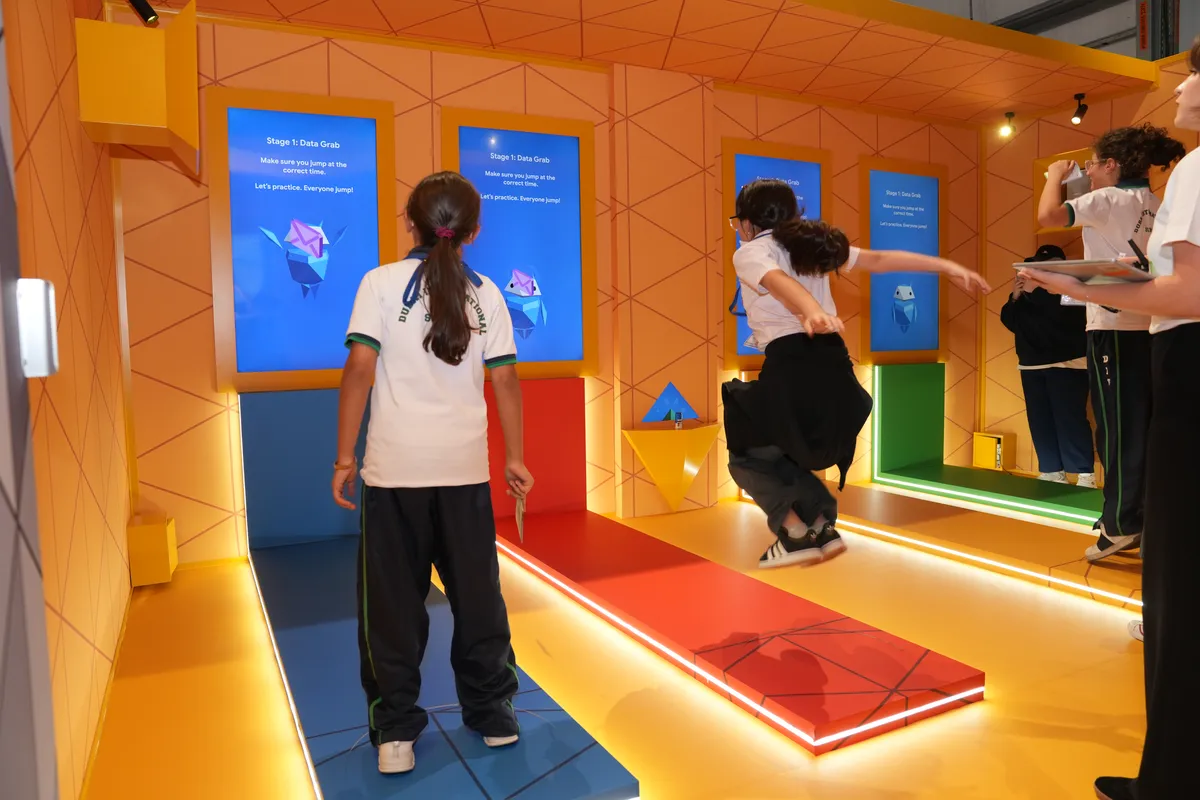
24-25 October: Visit our interactive safety playground in Dubai
Digital literacy shouldn't just live in handbooks or in classrooms.
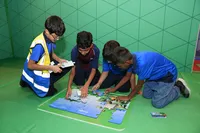
Starting tomorrow, October 24, through October 25, we’re hosting the Google Abtal Al Internet Pop-Up Playground at Warehouse 46 in Alserkal Avenue, Dubai.
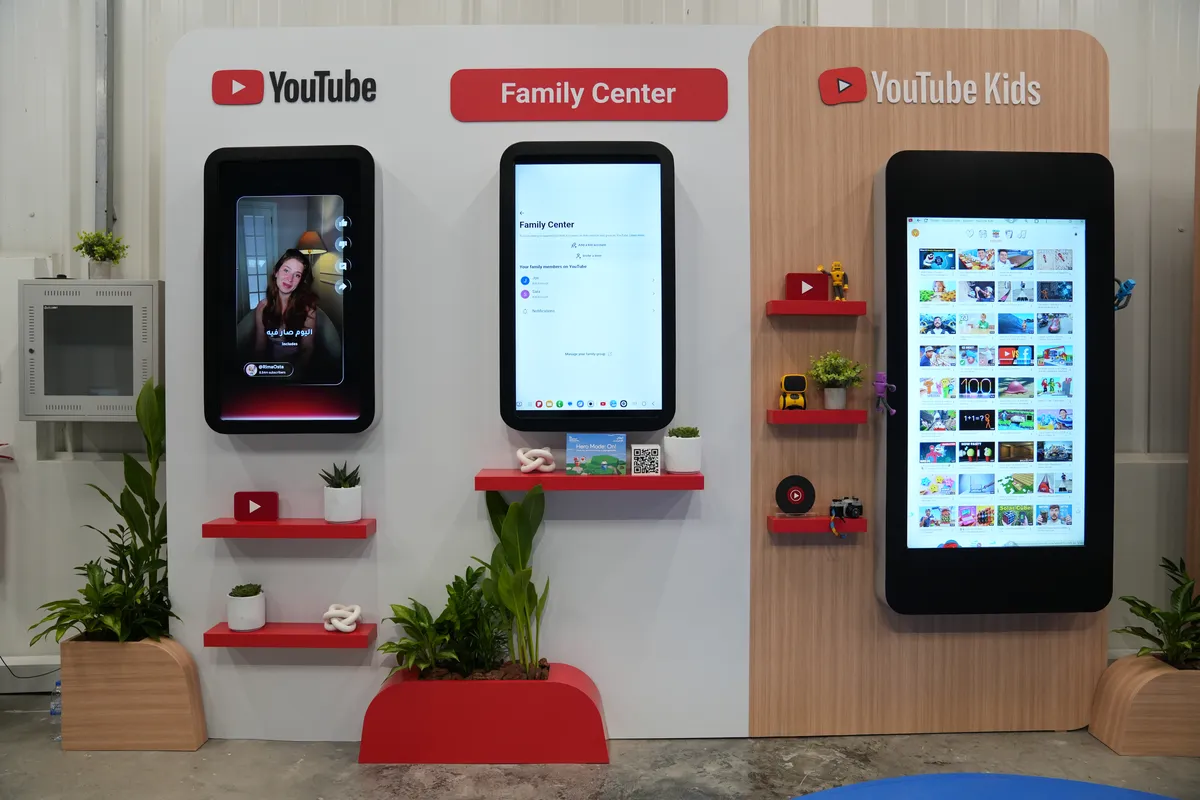
Built in partnership with the UAE Telecommunications and Digital Government Regulatory Authority (TDRA) and the National Media Authority (NMA), the free space allows families to tackle interactive digital safety challenges together, test-drive YouTube Kids, and explore parental controls with our teams on the ground.
Built-in safeguards that protect by default
Real protection starts by designing products that respect where young people are in their development. For anyone under 18, our platforms build critical safeguards straight into their default settings:
- Private uploads: Videos uploaded to YouTube remain private by default.
- Autoplay off: Autoplay is disabled to avoid unintentional, endless viewing loops.
- No personalized ads: Targeted advertising tracking is turned off for minors.
- Granular time controls: Parents can set custom limits on YouTube Shorts, including dialing viewing down to zero minutes a day.
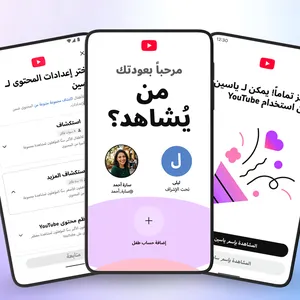
- Dedicated Kids Experiences: A stand-alone YouTube Kids app, YouTube Kid & Teen Accounts and Gemini for Teens.
5 conversation starters for home
Settings and filters matter, but honest conversations around the dinner table matter more. To help households set clear boundaries together, here is a practical 5-point agreement you can adapt with your kids:
- Share your digital world: Talk openly about the games you play, videos you watch, and creators you enjoy.
- Protect personal details: Keep passwords, phone numbers, addresses, and school locations private.
- Double-check the source: Verify claims and media before forwarding them or hitting share.
- Choose kindness: Leave constructive comments and report abusive behavior immediately.
- Name your trusted adult: Decide in advance who you will turn to if something online feels strange, confusing, or uncomfortable.
Want the full family guide? Check it out here.