How Stears is using AI to close Africa's financial data gap
This founder story is part of our Africa Developer and Startup Success Stories series, which follows African teams building technology for the continent and the world.
In 2017, four graduate students in London kept running into the same problem. Preston Ideh, Abdul Abdulrahim, Bode Ogunlana and Michael Famoroti wanted dependable numbers on the Nigerian economy, and what they found was scattered, out of date or missing altogether. They started Stears Business to explain that economy to anyone who cared to read about it.
Nine years on, Stears has grown into a leading market intelligence and financial data company rooted in Lagos. Today, its platform serves private equity firms, venture capital funds, investment banks, and development finance institutions evaluating investment opportunities across Africa. Yet through all this growth, the central question behind their work remains unchanged: What is really happening in this market, and can the answer be trusted?
Answering it takes people. Stears analysts read company filings, regulatory notices and budget documents, then check the figures line by line before anything is added to the platform and reaches the end user. It is careful work, with a single piece of research taking an analyst as much as six hours, most of it spent finding and verifying information before the thinking could begin.
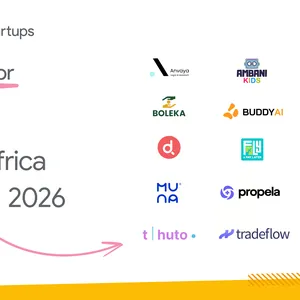
Preston, now CEO, wanted those hours to go to judgment. So the team built DeepSearch, an AI research tool that lets analysts and clients ask questions in plain language and get answers drawn from the verified deals, funds, investors and research already on the platform. DeepSearch is built with Gemini, and the team shaped its approach to building with AI during its time in the Google for Startups Accelerator Africa program, where founders work through their technical questions alongside Google engineers and mentors.
Research that used to take six hours now takes about 45 minutes. For clients, that means faster answers on the deals, funds and investors they are tracking. The analysts still decide what a number means. They reach that part of the job sooner, with more time for original reporting and for the context that comes from knowing a market from the inside.
This spirit of innovation extends across the organization. Once a quarter, Stears hosts Vibe Fridays, where team members engage in vibe coding to craft solutions that improve internal workflows. Several of these projects have even evolved into client-facing features on the platform.
For Preston, the reason for all of it sits outside the office. When information on a market is hard to find, capital tends to stay away, and good businesses pay for a gap they did not create. "We want to put African businesses on a level playing field with the rest of the world," he says.
That question anchors the team today: what is really happening in the market, and can the data be trusted? Every dataset and attribute presented to clients must first pass that test.
Learn more about Stears at stears.co.