Making every call count: How AI is supporting mothers in India

Image source: ARMMAN
India has the second highest maternal mortality rates across the world, with 19,000 women dying during pregnancy or childbirth in 2023 alone, constituting approximately 7.2% of global maternal deaths 1 . Stakeholders from across the country’s public and private sector have been making concerted efforts to address this challenge - from investments in quality healthcare to awareness-building activities.
ARMMAN, a Mumbai-based maternal health-focused non-profit, has aimed to accelerate progress by deploying AI built with pro bono support from researchers at Google DeepMind, and has found early indicators of success and cause for hope.
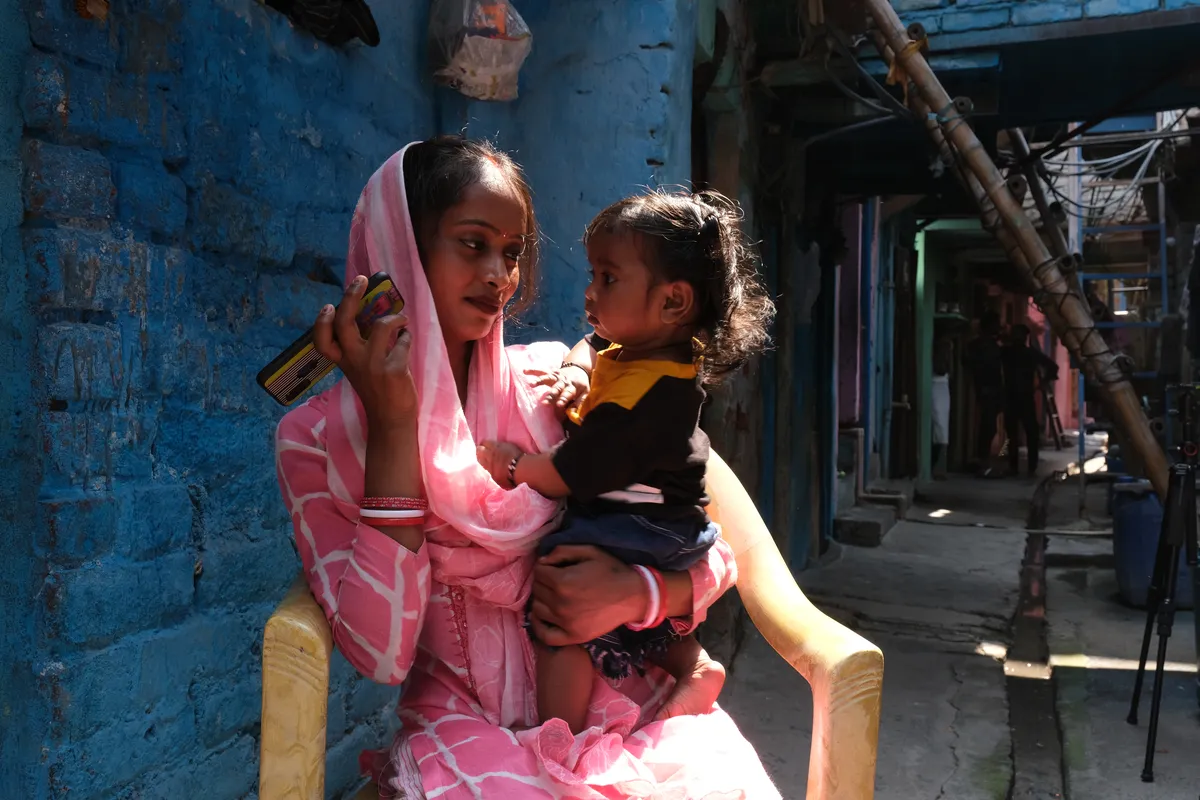
ARMMAN partnered with India’s Ministry of Health and Family Welfare to implement ‘Kilkari’, the world’s largest mobile-based maternal health information program, which has reached over 60 million women and children across 27 states and union territories 2 over the last decade. Aiming to preempt and reduce lapses in healthcare during pregnancy, ‘Kilkari’ uses an innovative approach of delivering weekly, time-appropriate audio messages about pregnancy, childbirth, and childcare to new and expecting mothers. These updates are delivered via free calls, starting from the second trimester of pregnancy until a year after delivery 3 .
Mother receiving health information call (Image source: ARMMAN)
However, participation in ‘Kilkari’ was seen to drop by approximately 23% despite multiple call attempts to beneficiaries, resulting in women being automatically dropped from the program, limiting the reach and impact of crucial health information.
Our team at Google DeepMind has been providing ARMMAN pro bono support to develop a machine learning-based AI model to better predict and strengthen participation of the millions of women who receive calls from Kilkari every week. This custom AI model learns each woman's preferred times for receiving the health information calls by analyzing both their anonymized individual call behavior, as well as the behavioral patterns they share with fellow program participants.
A short, initial pilot study with approximately 17,500 Kilkari participants in Odisha has found the AI model helped drive statistically significant improvements in pickup rates - up to 12% for certain time slots in the day - supporting better information delivery of important health information. This has also highlighted the importance of personalized scheduling in mobile health interventions and the potential for machine learning to improve maternal health outreach at scale.
A predictive machine learning-based AI model developed with pro bono support from researchers at Google DeepMind has helped improve Kilkari’s call pickup rates by up to 12% for certain time slots in the day.
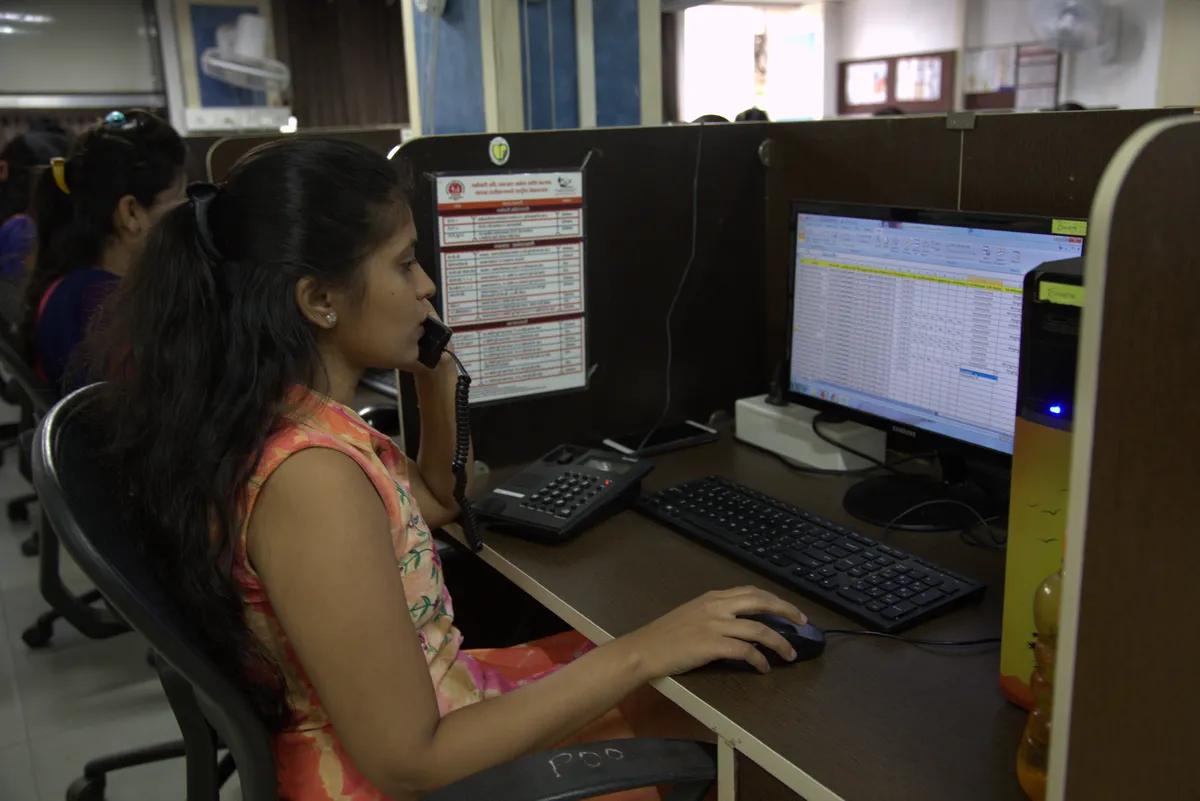
This work builds on ARMMAN’s Maharashtra-focused mMitra program, which had integrated another predictive AI-based model also developed with our pro bono support, after it was discovered that nearly half of the 350,000 mMitra participants tended to stop listening to calls after the first few weeks. The AI model accurately identified participants most at risk of disengaging from the program, prioritizing them for additional personalized outreach, including in-person support by ARMMAN’s call center staff and community partners. As a result, approximately 30% of those at highest risk of dropping out were retained in the program and received vital health information. 4
ARMMAN staff making health information calls (Image source: ARMMAN)
A recently-concluded health impact assessment has revealed that, compared to a control group, the women that the AI model prioritized for additional interventions are approximately 22% more likely to take the necessary iron supplements, 28% more likely to take calcium tablets, and nearly 9% are more capable of correctly reporting and keeping track of their babies’ birth weights, a key metric of infant health.
Women prioritized by the AI model for additional intervention as part of the mMitra program are approximately 22% more likely to take the necessary iron supplements, 28% more likely to take calcium tablets, and nearly 9% are more capable of correctly reporting and keeping track of their babies’ birth weights.
Speaking to these encouraging results that have demonstrated the potential for AI in maternal health, Dr Aparna Hegde, Founder, ARMMAN has said, “In my lifelong quest to ensure every step of a woman's journey into motherhood is safe for her and her baby, discovering the potential of AI – and finding a committed and empathetic partner in Google DeepMind – has been nothing short of transformative. AI has proven to be a force multiplier for our efforts, enabling us to reach women in far more effective and resource-optimal ways than ever before. Together, we are not just addressing a health challenge; we are actively contributing to India's national commitment to drastically reduce maternal and child mortality and morbidity rates, pushing us closer to our Sustainable Development Goals. This progress fills me with immense hope for our nation's future.”
Dr Aparna Hegde with beneficiaries of ARMMAN’s programs (Image source: ARMMAN)
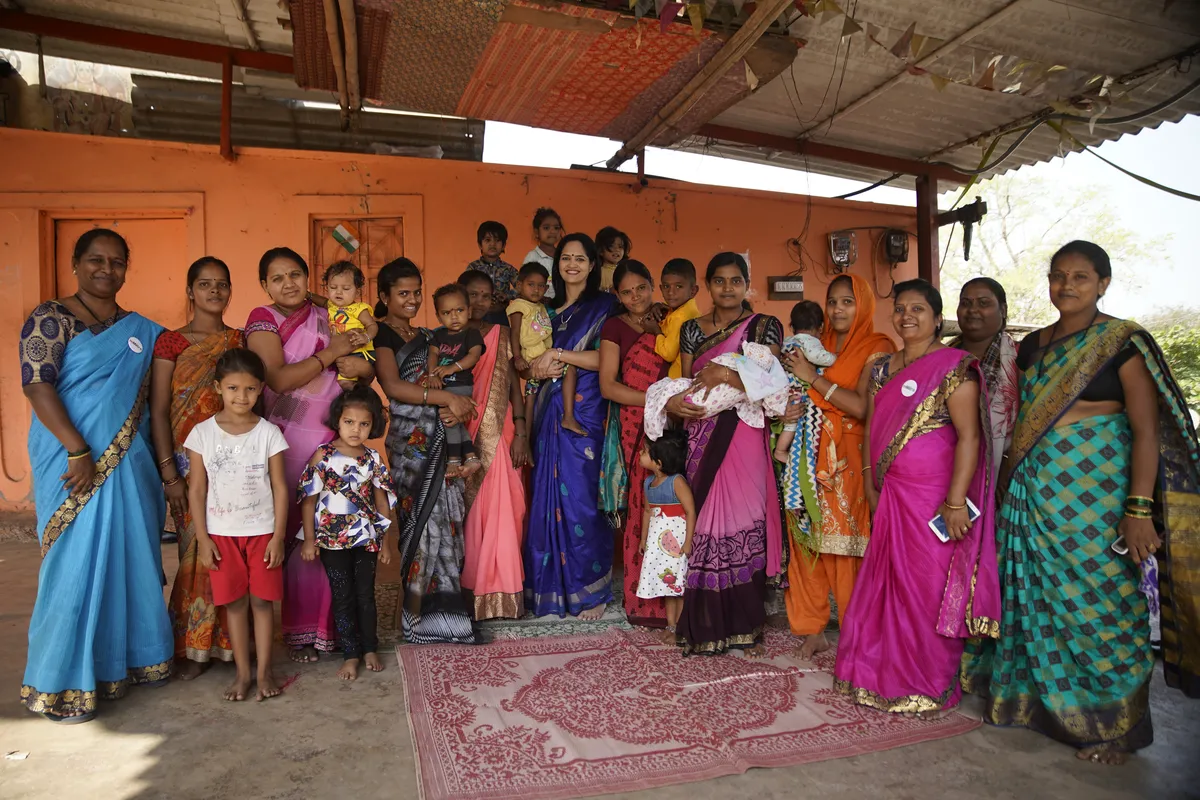
The ARMMAN outreach programs have also found that women’s heightened awareness can translate into tangible social impacts, ranging from families and communities acknowledging women’s health, with greater empowerment toward demanding better rights and care for their girl children.
A driving force for us at Google has been to see lives empowered by information that is both accessible and profoundly useful, and to see changemakers like ARMMAN bring this to life to address sensitive, crucial issues like maternal mortality has been both moving and inspiring. We are incredibly proud that our AI research at Google DeepMind has contributed solutions to a critical challenge, from two distinct angles and for different population sizes. From prioritizing women for additional engagement in mMitra to optimizing call times in Kilkari, AI has taken the guesswork out of identifying possible solutions for maximizing impact, replacing assumptions with precise, data-driven insights, and emerged not just as a groundbreaking tool, but an accelerant for progress.
Such integrations of AI with on-ground solutions are a profound testament to what thoughtful technology can achieve for the world's most pressing challenges. While ARMMAN hopes to see similar outcomes across the country as it explores nationwide deployment and integration of AI with the Kilkari program, we hope that changemakers in India and across the world will leverage our research, and the models that ARMMAN has open-sourced, to drive similar progress on issues across sectors.