How Gelomics is Redefining Cancer Drug Discovery
The process of developing new cancer treatments is notoriously slow and inefficient, with approximately 95% of oncology drugs that enter human clinical trials failing to reach approval.
This high failure rate takes a significant toll. It is incredibly costly for the companies developing these new medicines, but the heaviest burden falls on patients, who often undergo months of exhausting treatments before discovering whether a therapy is effective for their individual needs.
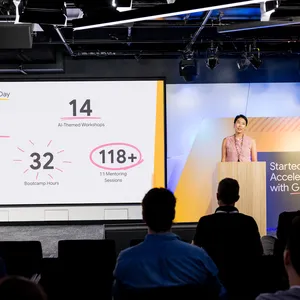
Brisbane-based biotech Gelomics is working to solve this challenge. The company has partnered with Google Australia to use cloud and AI to help grow identical tissue models, map complex cell data, and predict how tumours will respond to experimental drugs. This partnership builds on Gelomics' recent involvement in Google's AI First Accelerator Program.
Replicating human biology in the lab
Traditional drug testing relies heavily on flat plastic dishes, which cannot replicate how cells behave inside the human body. To solve this, Gelomics developed a platform called LunaX that grows microscopic, three-dimensional human tissue models—including tumour samples derived from patient biopsies—inside a specialised gel.
Within two to three weeks, this platform establishes standardised, highly reproducible tissue models that can be stored for long-term testing. Because growing consistent biological tissues is highly complex, Gelomics uses the Gemini Enterprise Agent Platform from Google Cloud to predict and optimise precise cell culture conditions. This physical consistency is critical: without standardised tissue models, researchers cannot determine whether a drug's efficacy is due to its chemical formulation or variations in the biological sample.
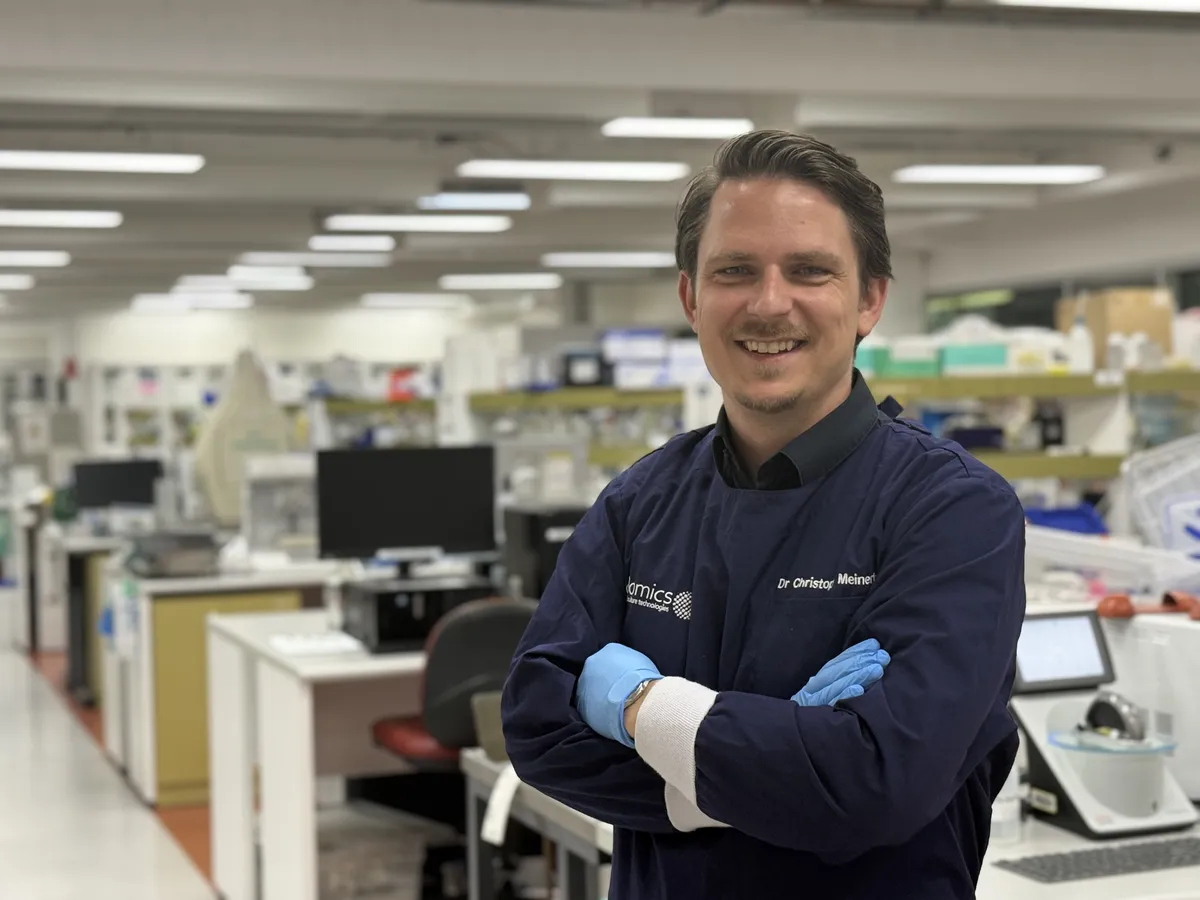
Dr Christoph Meinert, Co-founder and CEO of Gelomics
Speeding up data analysis with machine learning
In parallel with growing these tissue models, Gelomics maps the original biopsy cell-by-cell in partnership with the Queensland Spatial Biology Centre. This profiling creates a highly detailed molecular map of the tumour, showing how tens of thousands of proteins and genes are arranged.
Analysing this mountain of data manually would take research teams months. To speed things up, Gelomics trains machine learning models on the Agent Platform to connect these molecular maps with lab-tested drug responses and clinical outcomes. Once trained, the system can predict drug efficacy based on the tumour's molecular map alone
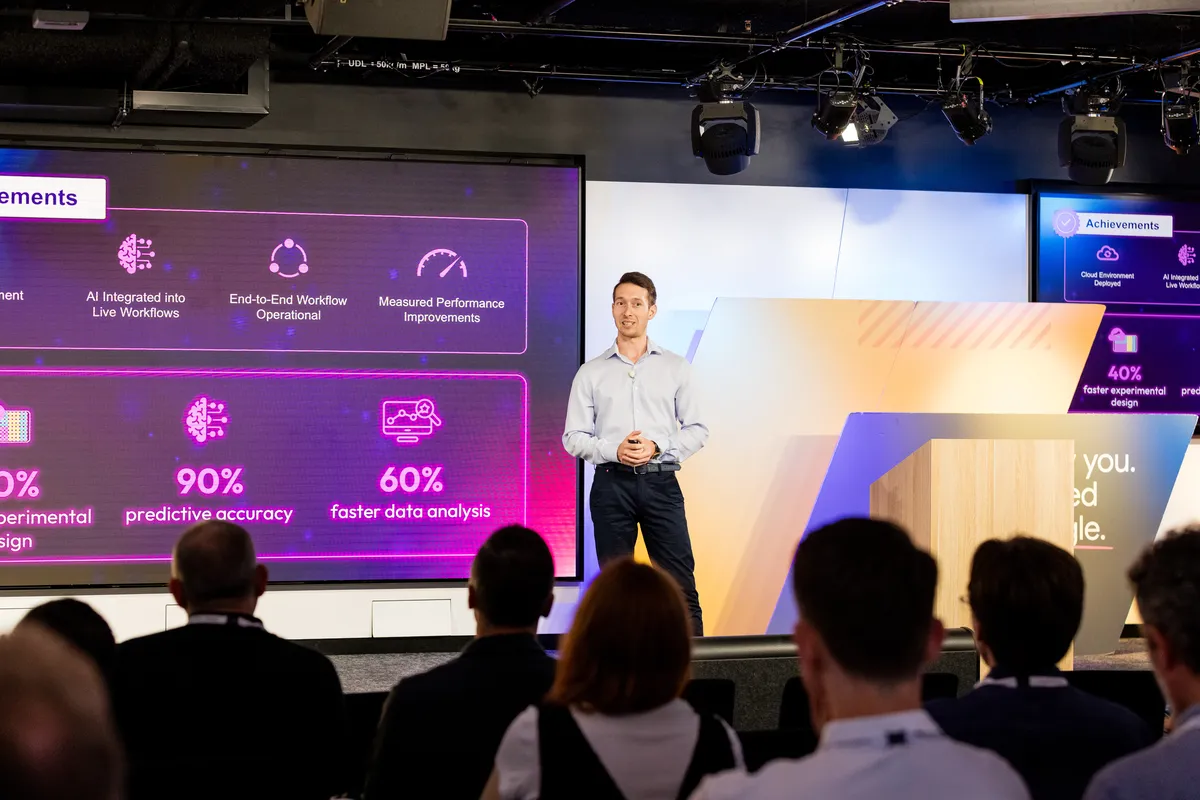
Dr. Pawel Mieszczanek, Chief Technology Officer, Gelomics
The Road Ahead
The immediate application of this platform is improving clinical trial design. By predicting which groups of patients are most likely to benefit from a new treatment, pharmaceutical companies can run smaller, more targeted trials. This approach helps protect patients from the side effects of ineffective therapies, prevents viable drugs from being abandoned simply because they were trialled on the wrong patient populations, and offers a practical way to reduce the industry's reliance on animal testing.
Gelomics aims to release a prototype of this platform for early-stage drug development in mid-2027. While using this technology to guide treatment for individual hospital patients is a longer-term goal that requires clinical validation, this partnership represents a practical step toward faster, more efficient drug discovery.