This content is generated by Google AI. Generative AI is experimental
[[duration]] minutes

And that’s a wrap on the 62nd Munich Security Conference (MSC).
As the premier forum for global security policy, this year’s conference anchored on an undeniable reality: In an era of multi-front threats, fragmented defenses won’t cut it.
From breaching hospital networks to disrupting elections, recent cyberattacks have shown how isolated tools, policies and approaches fail to meet the moment. In the words of Juhan Lepassaar, executive director of the EU’s Agency for Cybersecurity, Europe doesn’t just need an upgrade, “We need a rethink.”
Google Threat Intelligence’s latest AI Threat Tracker report reveals that bad actors are already sharpening their tactics with new AI tools — automating everything from reconnaissance to hyper-realistic phishing. GTI also called out the threat to defense and aerospace companies, which poses a heightened risk as Europe reinvests in the sector.
But these threats aren’t all we should be thinking about.
As Hartmut Neven and I shared a couple weeks ago, the quantum computing era is closer than you might think. While that’s exciting for the future of drug discovery, materials science, energy and more, today’s digital locks will be no match for cryptographically relevant quantum computers.
So our call to action is clear: We can’t wait around and hope for the best. We have to get our act together now by taking a full-stack, collaborative approach to security and build a shared digital foundation that transcends borders.
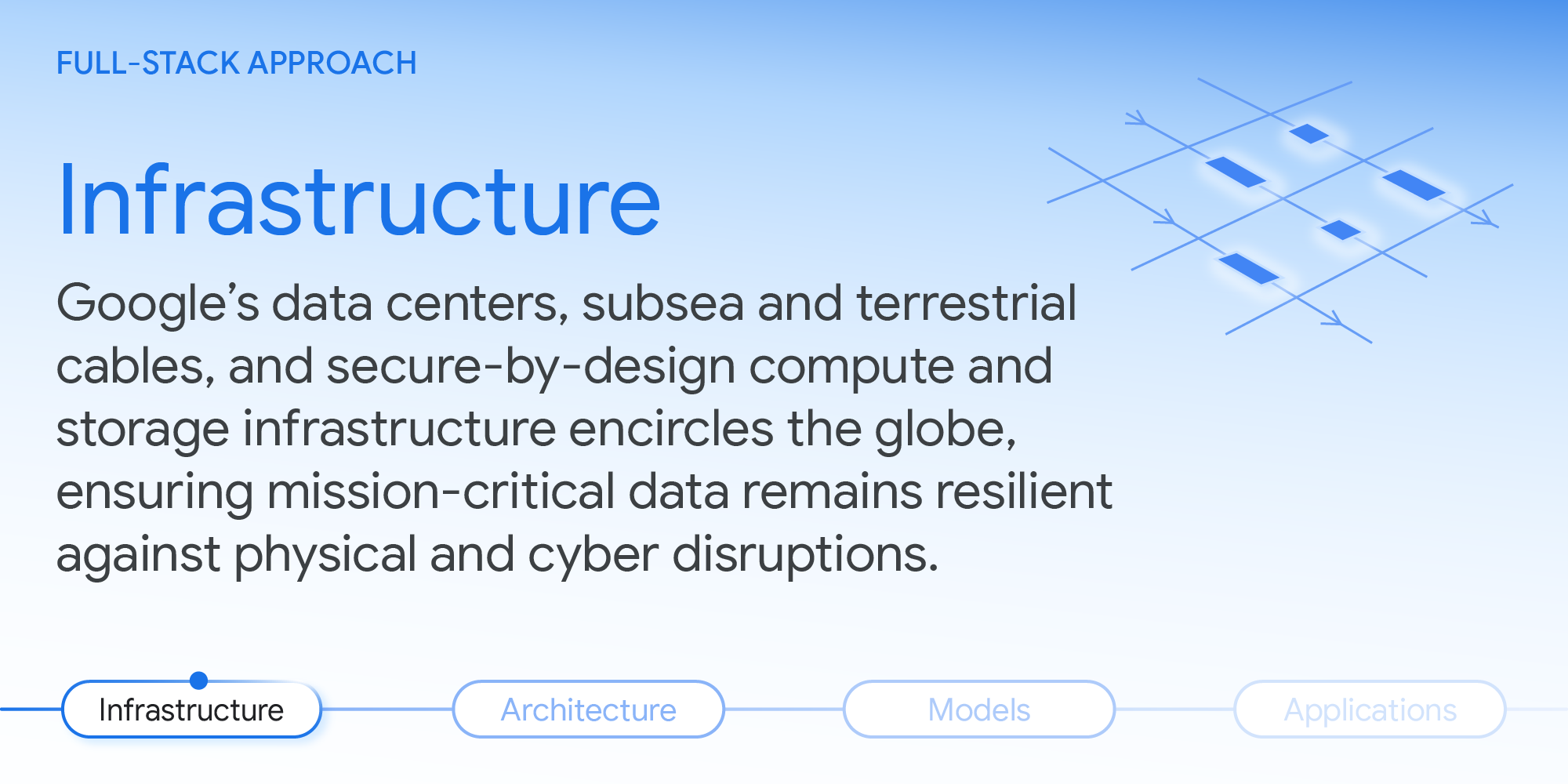
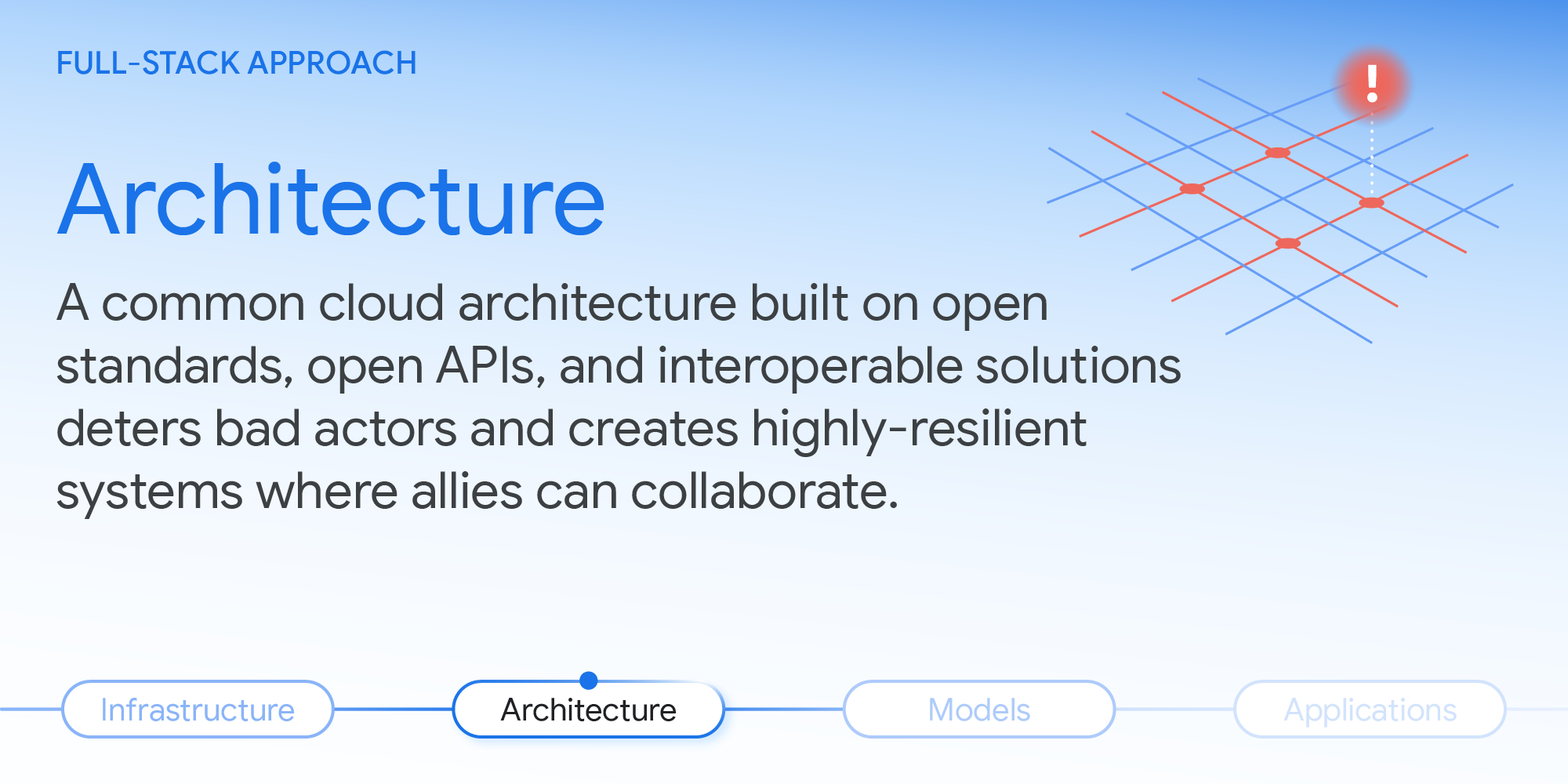
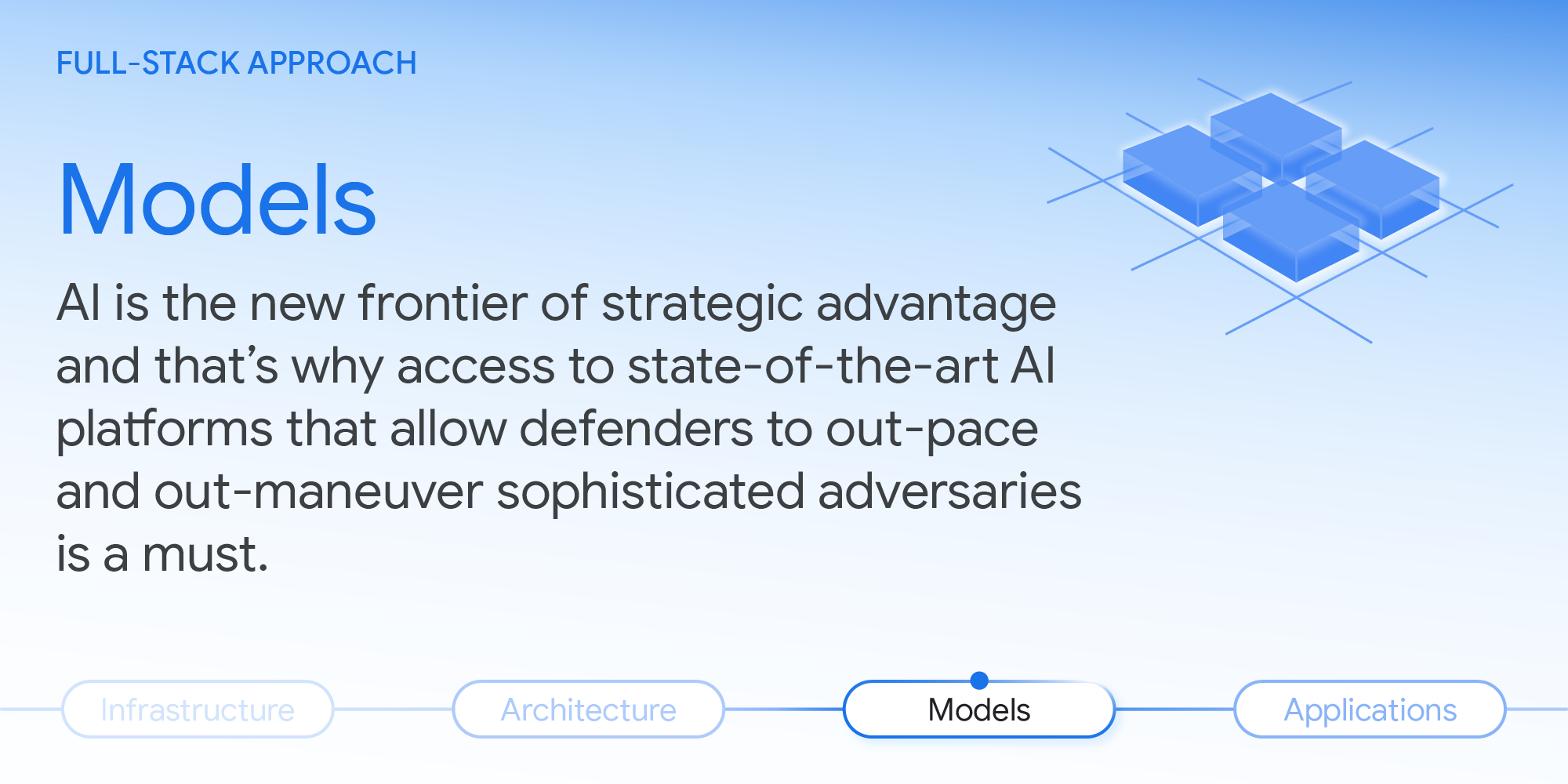
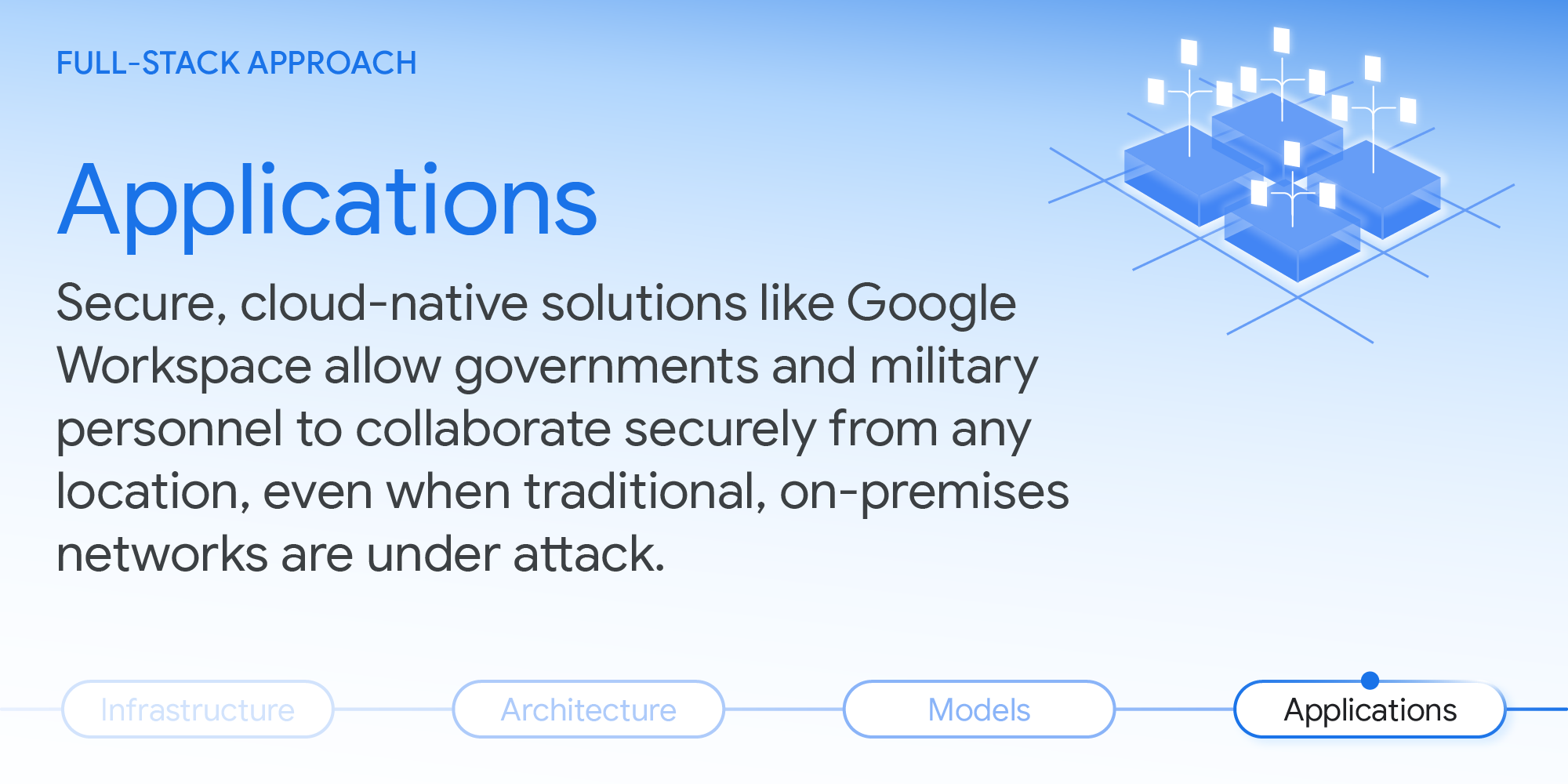
First, some grounding: When I talk about security, I’m talking about it from two vantage points — cybersecurity and security writ large.
From a cybersecurity perspective, defenders who use AI gain an advantage because these tools allow them to supercharge their work in ways that just weren’t possible before.
Take the example of the Ukrainian startup, LetsData.
While in Munich, I had the chance to sit down with LetsData’s co-founder, Ksenia Iliuk, who shared how they’re using AI tools to scan for signs of InfoOps.
"Historically, we had to train every model for every language, every type of content, every platform,” Ksenia explained.
But now with AI, her team is able to dramatically decrease the cost and time it takes to scan millions of media and social media publications to detect early signals of InfoOps. Using AI in this way, Ksenia’s team is stopping attacks that would ultimately undermine democratic institutions and destabilize society.
It’s an exciting example of AI giving defenders an advantage. But scaling that kind of impact requires a continuous pipeline of innovation.
Which is why to support the next generation of defenders, our Google for Startups Gemini Startup Forum: Cybersecurity began accepting applications last week. This new global forum connects founders in the cybersecurity space with the teams behind Google’s latest AI and best-in-class security.
And as we zoom out, we also see how important it is for governments to play a leading role in securing the broader ecosystem.
Kent Walker in conversation with Ksenia Iliuk, Co-Founder of the Ukrainian Start-Up, LetsData

Allied defense and national security sectors are already starting to use advanced AI tools to meet today’s heightened security challenges head-on.
Google partners like NATO’s Joint Analysis, Training and Education Centre (JATEC), the U.S. Department of War, the German Armed Forces, the UK Ministry of Defence and Australia’s Ministry of Defence tap into solutions like Google Distributed Cloud (GDC) Air-Gapped so they can leverage Google infrastructure, architecture, models, and apps — without sacrificing control.
But with threat actors innovating at a breakneck speed, there is more work yet to be done.
The fact is, adversaries are no longer just “hackers” — they are operating like modern enterprises, with structure, resources and strategic precision.
While I was in Munich, I met with policymakers to discuss why this shift in the threat landscape means we have to operate differently. To meet the current challenge, we have to focus on bolstering collective resilience. As we outline in a report released last week, that will look like breaking down silos, modernizing procurement timelines and achieving resilience through technical excellence.
From the front lines in Ukraine to the cloud-native systems of NATO — we see that a full-stack approach to defense can be the difference between lasting security and falling victim to an attack that compromises our defense suppliers and the broader industrial base.
By working together to meet the security challenges, we can turn the tide against increasingly sophisticated global threats.