Maps has an authentic new voice in New Zealand
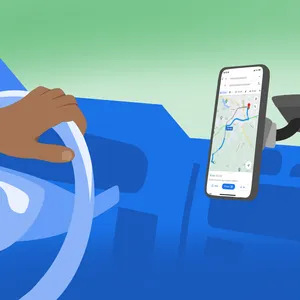
Beneath every place name in Aotearoa New Zealand lies a hidden map of history and culture that connects us to our unique country. To recognise this history, we developed a new voice for Google Maps users in New Zealand that can pronounce the indigenous names of cities and towns. Thanks to advances in AI, the new voice, which starts rolling out today, speaks English with a Kiwi accent while accurately pronouncing te reo Māori (the Māori language) place names.
New Zealand recognizes te reo Māori as a taonga (treasure). It’s one of two official languages (along with New Zealand Sign Language) and three quarters of New Zealanders said they value te reo Māori as an important part of our country’s culture and identity 1 . So it’s important that when you’re navigating from A to B, “Taranaki” and “Whangārei” are pronounced correctly.
Partnering with experts
To ensure te reo Māori cities and towns are pronounced correctly, we partnered with language experts from Te Taura Whiri (the Māori Language Commission) and utilised publicly available New Zealand Geographic Board data to build the new voice.
“Māori place names carry stories that connect us to our histories, people and achievements,” says Ngahiwi Apanui-Barr, chief executive of Te Taura Whiri. “The first step to unlocking those stories is correct pronunciation. If we can hear the words said correctly, we can say the words correctly.”
Planning for the future
Māori data sovereignty and Google’s AI Principles were central to the development of this text-to-speech model. Initially Te Taura Whiri will be the kaitiaki (guardians) of te reo Māori lexicon. The long-term plan is to establish a group of custodians of the data to ensure Māori academics, researchers and communities can access and benefit from the data and sustain this kaupapa (mission).
The new voice begins rolling out globally today on Android, iOS, Android Auto and CarPlay. Make sure your language is set to English (New Zealand) to try it.