[[duration]] minutes
This content is generated by Google AI. Generative AI is experimental
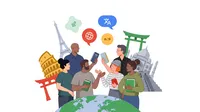
For more than 20 years, Google Translate has helped people break down language barriers. Now, by pairing our latest Gemini models with human perspective, we’re turning literal translations into natural conversations. This International Translation Day, meet three Googlers on the Translate team who are bridging the gap between cutting-edge technology and human connection.
Janneke’s passion for language dates back to 2002, when she started teaching at an international university in Lithuania. While learning Lithuanian, she began to view language as a reflection of identity and belonging.
Over the next two decades in linguistics, she explored how language shapes self-expression and behavior across lifetimes. She earned a Ph.D. from Stanford and co-authored “African American Language: Language Development from Infancy to Adulthood,” which won the Linguistic Society of America's Leonard Bloomfield Book Award.
Today, she brings her expertise to Google Translate, where she leads the team that tests early features with everyday users to ensure translations reflect real, human conversation rather than literal phrasing. Her academic research, which showed that language is constantly evolving, is now being applied alongside our latest Gemini models to ensure Google translations capture the living, dynamic nuance of conversation and not just the literal words.
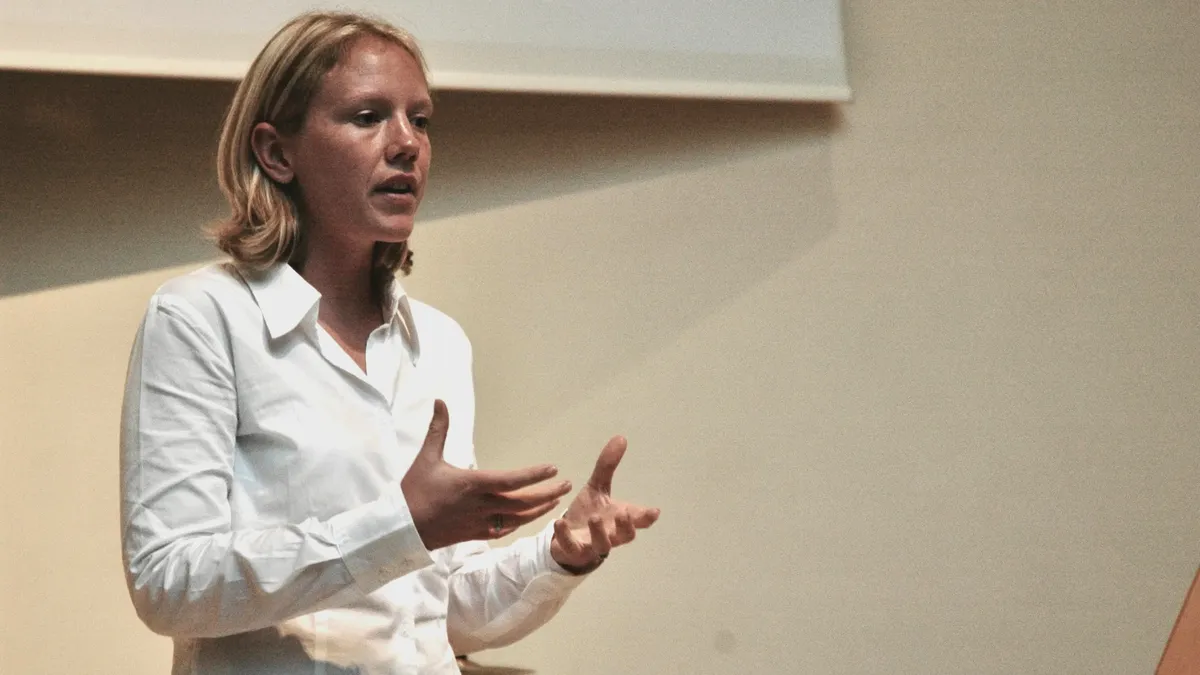
Isaac’s interest in linguistics began in the Gaeltacht, the region of Ireland where the Irish language is still spoken as a native language. Spending time with his Irish-speaking family there showed him the importance of preserving languages, particularly in an increasingly globalized world. In 2017, he joined Google Translate, where he focused on expanding support for digitally under-represented languages, helping add 146 new languages to the platform. (Today, there are almost 250 languages on Translate.)
Isaac has worked with communities around the world to preserve native languages. He’s built transliteration tools — which map words from an alphabet so you can read and pronounce them — alongside Canadian Inuktut groups and Santali activists, and helped everyone from Maldivian academics to frontline healthcare workers in Timor-Leste and The Gambia.
While AI supercharges modern-day translations, Isaac says the human experience of actually speaking a different language is something technology can’t replace. Today, he focuses on supporting languages with limited available digital data. By combining community involvement with computational linguistics, he’s ensuring speakers of data-scarce languages aren’t left behind.
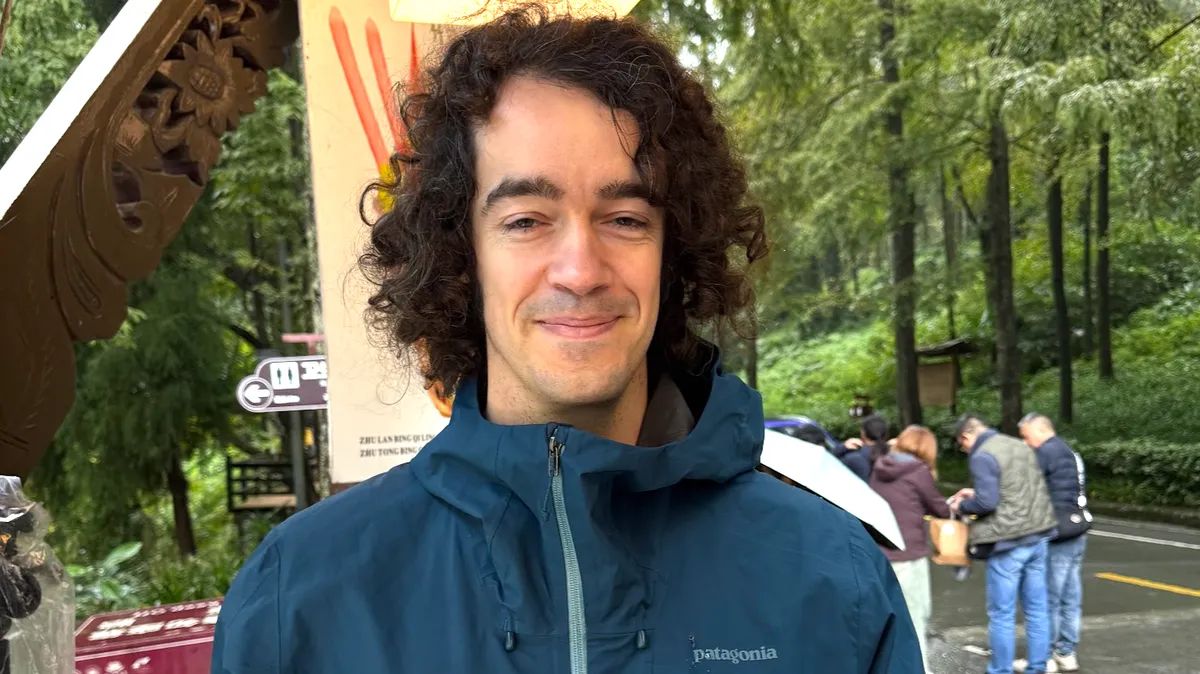
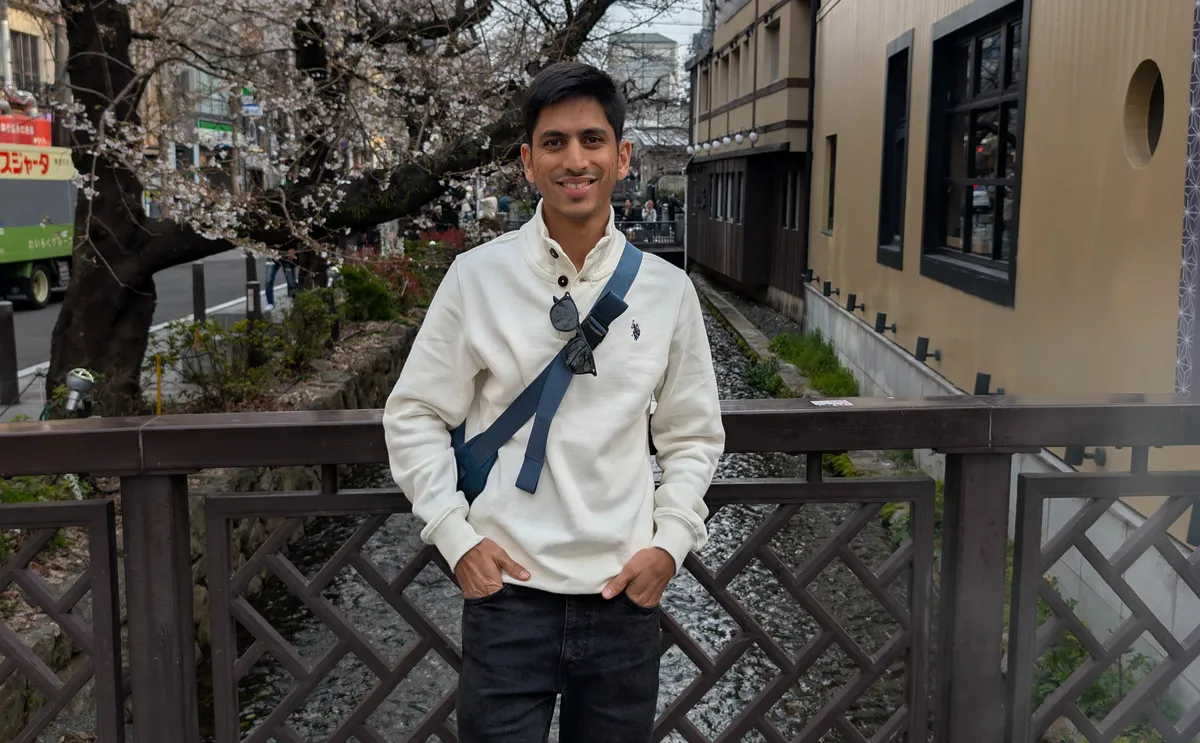
Since joining Google in 2018, Harsh has shaped foundational language tools, including interactive, accent-tailored pronunciation guides and Search’s large-scale grammar checker. For nearly five years, he’s led the Search translation experience with a focus on solving for linguistic context so users get accurate meanings instead of literal definitions.
As technology advances rapidly, Harsh is dedicated to humanizing translations by prompting users for context just as an interpreter would. Working alongside human experts, he fine-tunes large language models to accurately judge nuance. By pairing linguistic precision with AI, he helps Translate bring smarter, culturally grounded learning tools to more languages, faster.
Technology can translate words, but it takes real people to translate meaning. By pairing our latest AI models with the experiences of linguistic experts, we’re ensuring anyone, anywhere, can be understood with Google Translate.