[[duration]] minutes
This content is generated by Google AI. Generative AI is experimental
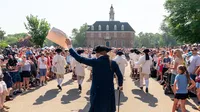
Colonial Williamsburg, July 4, 2026.
Today, as Colonial Williamsburg marks its 100th anniversary, Google Arts & Culture is sharing new immersive stories and newly digitized cultural artifacts that honor a century of preservation, discovery, and public access. These additions expand on the digital hub we launched earlier this year with The Colonial Williamsburg Foundation to celebrate America’s 250th birthday and bring the rich history of early America online.
We’re introducing three new ways to explore Colonial Williamsburg’s legendary collections, taking you behind the scenes of how history is preserved, studied, and brought to life.
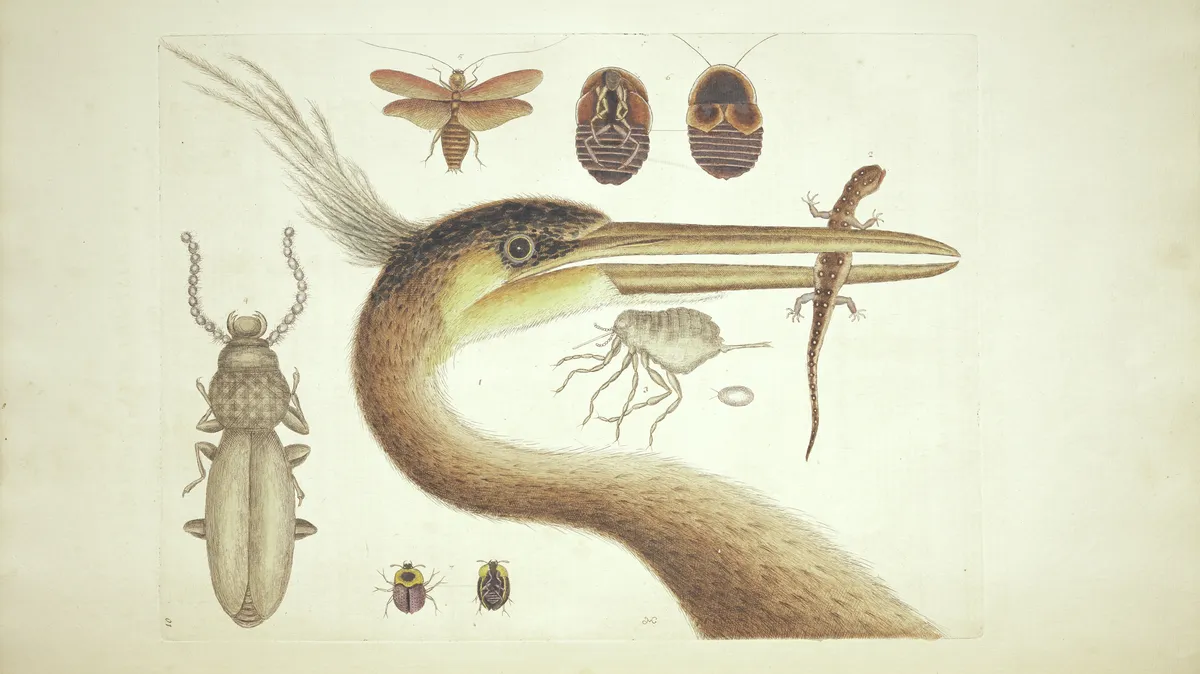
Explore newly digitized plates from naturalist Mark Catesby’s 18th-century masterwork, bringing 220 hand-engraved illustrations of North American wildlife and flora into brilliant, high resolution.
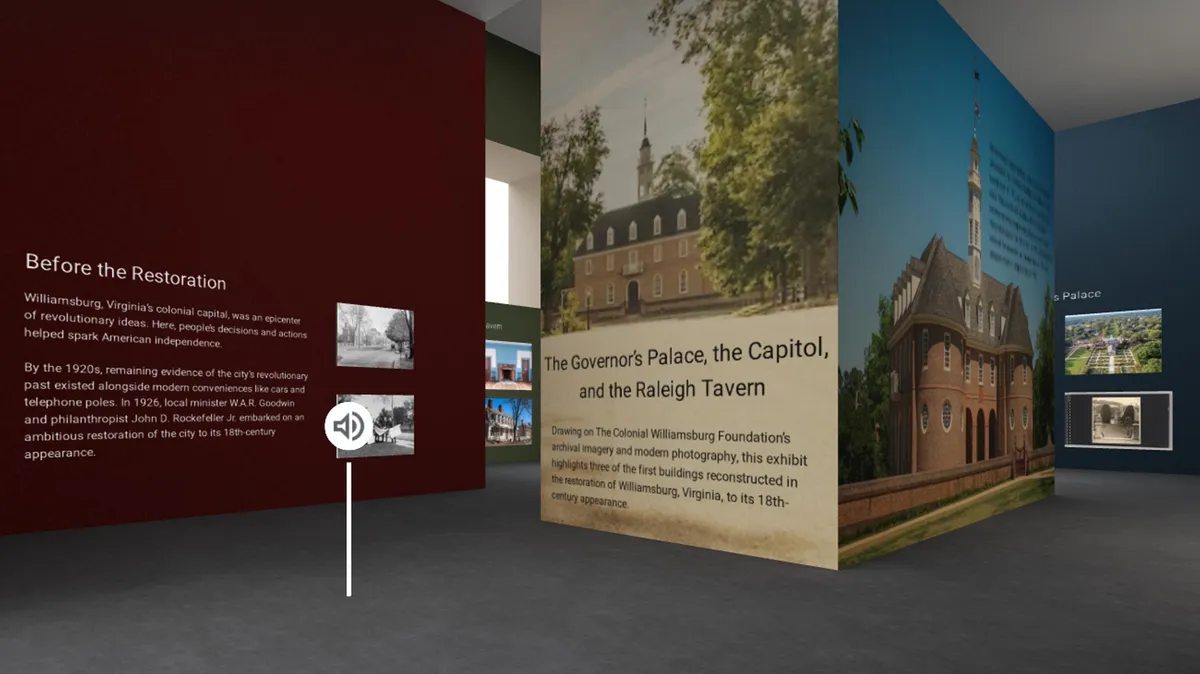
Step inside the new online gallery to see the restoration of Colonial Williamsburg, spotlighting its first three reconstructed sites: the Governor's Palace, the Raleigh Tavern, and the Capitol.
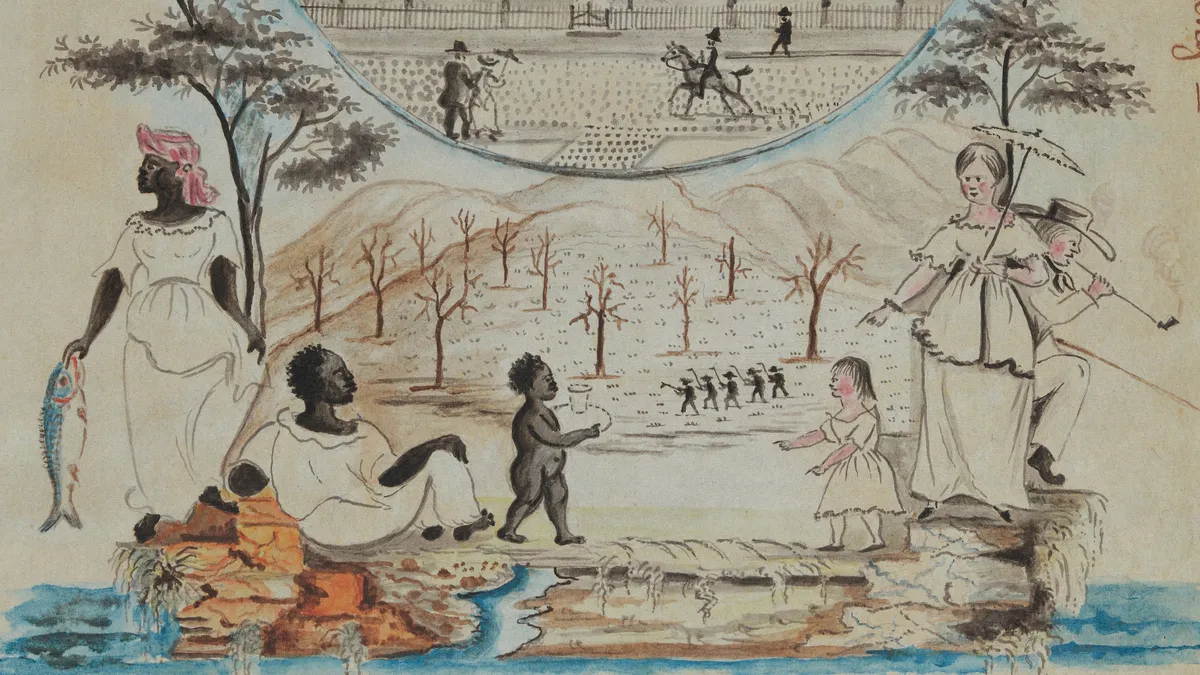
Dive into vivid watercolor and ink pages from folk artist Lewis Miller’s 19th-century sketchbook, offering a rare and powerful window into everyday Virginia life and the domestic slave trade.
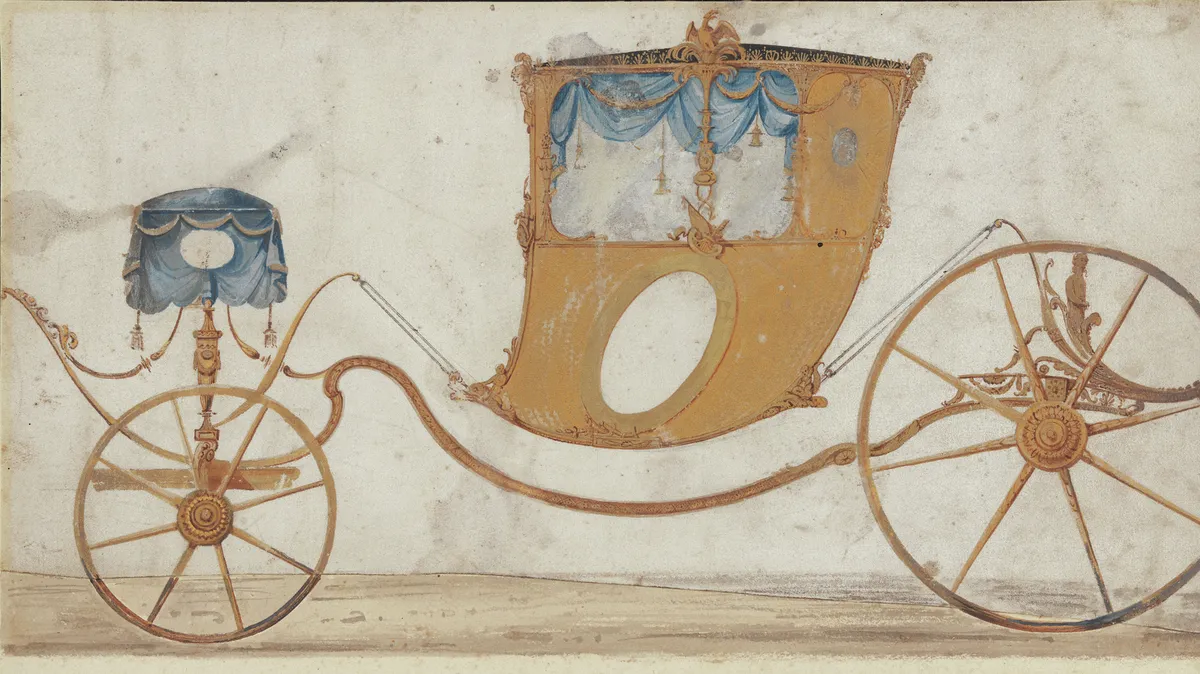
Discover historic American transportation through a rare folio of carriage drawings, showcasing the visual diversity of Colonial Williamsburg's library collections.
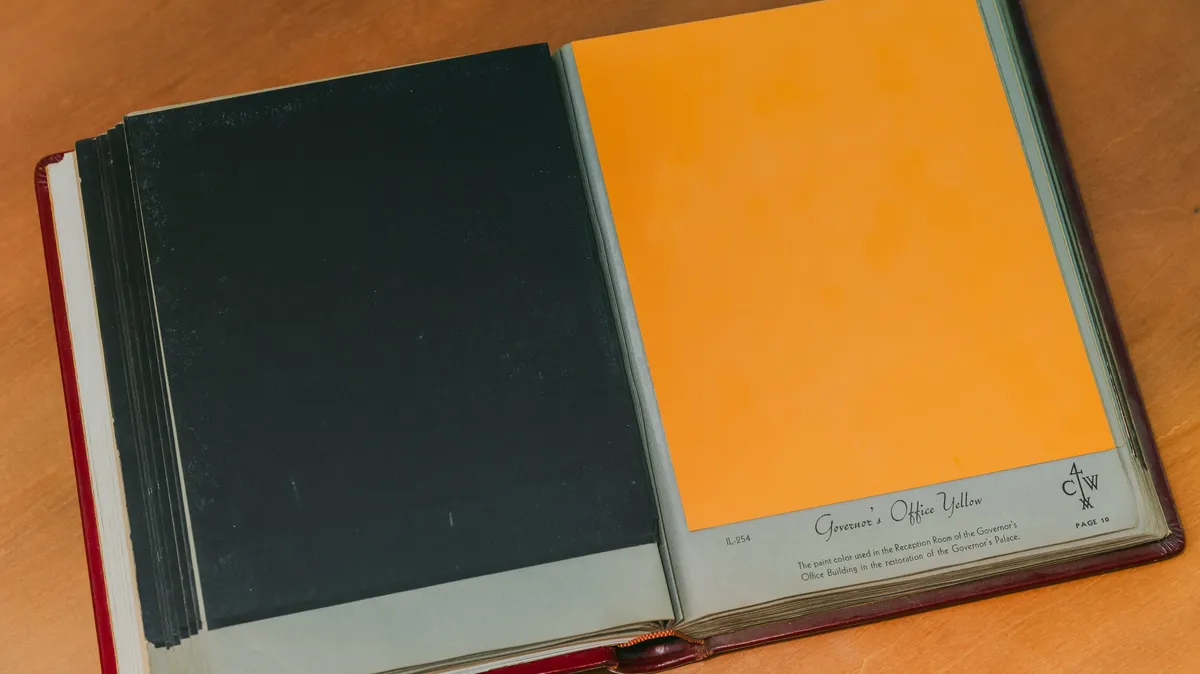
Uncover the story of “Authentic Colors from Colonial Williamsburg” — a rare book featuring metal pages coated in historic automotive paints inspired by Colonial Williamsburg — and its unique conservation journey.
In partnership with Colonial Williamsburg and YouTube, culinary historian Max Miller, creator of “Tasting History,” visited the living history museum to film an exclusive episode, bringing 18th-century traditions to life. Praising the museum’s meticulous historical accuracy, Miller worked alongside Ivey Boyd, chef de cuisine at the King’s Arms Tavern, to prepare snow eggs (oeufs à la neige). This French dessert was popularized in early America by James Hemings, Thomas Jefferson's enslaved chef, and is served today at Colonial Williamsburg. This collaboration bridges traditional preservation with modern storytelling, inviting a new generation to discover the flavors and stories of early America.
By expanding access to Colonial Williamsburg’s collections, we’re safeguarding centuries-old treasures while sharing their history with the world. As Colonial Williamsburg enters its second century, we invite you to experience these new stories, archival records, and the living history of early America in a whole new way.
Explore The Colonial Williamsburg Foundation on Google Arts & Culture today.