[[duration]] minutes
This content is generated by Google AI. Generative AI is experimental
This year marks a monumental milestone: the 250th anniversary of the founding of the United States of America.
To celebrate this moment, The Colonial Williamsburg Foundation and Google Arts & Culture have partnered on a new project that pulls back the curtain on early American history. It makes the varied daily realities of the 18th-century colonial capital accessible to anyone, anywhere in the world. By combining Google’s technology with Colonial Williamsburg’s peerless historical resources and research-based expertise, this project turns history into an active, living, layered story.
Here’s a look at what you can explore in the new interactive collection:
The collection features deep explorations into the individuals, objects and moments that shaped 18th-century America.
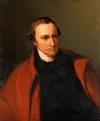
Discover key moments, sites, and people of 18th-century Williamsburg, including Patrick Henry, one of America’s great Revolutionary figures.

Explore 10 stories about 18th-century trades that powered Williamsburg’s colonial economy, like the printer.
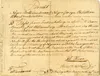
View primary documents that offer a window into the various stories from the colonial capital city, like this rare 1771 travel permit authorizing two enslaved individuals to journey to Williamsburg.

Go behind the scenes of this living history museum to discover stories that surprise and delight, such as one on a rare heritage breed maintained by Colonial Williamsburg, the Leicester Longwool Sheep.
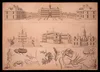
Examine the historic Bodleian Plate (circa 1740), a rare copper plate showing the most complete surviving period view of Williamsburg’s public buildings, which served as the blueprint for the city’s modern preservation.

Discover a group of 18th-century chamber pots from Colonial Williamsburg’s museum collection that sheds light on the intimate, everyday realities of early American life.
Newly captured Street View images let you take a virtual stroll through the streets of the colonial city. You can go deeper with virtual guided tours, allowing you to explore historic spaces like the Raleigh Tavern, gathering place of founding fathers, the Williamsburg Bray School, an 18th-century school for both enslaved and free Black children, and the local courthouse where history was made. For an even closer look, eight highly detailed 3D models of historic sites and objects let you get close to the architecture from every angle.
Created in close collaboration with Colonial Williamsburg’s historians, this NotebookLM features more than 150 sources, including 18th-century documents and artifacts, articles from Trend & Tradition, and research written by Colonial Williamsburg’s subject matter experts. These sources explore the debates and discussions that led to the United States’ founding, and how and why the nation’s founding ideas were forged in Virginia. This AI-powered research tool lets you interact directly with the archives and experts, inviting you into an open conversation to learn about the revolution’s central concepts, discover who contributed to them, or analyze how early Americans thought about the government they overthrew and envisioned the democracy they chose to build.
After exploring the digital collection and tools, it’s hard not to walk away with the impression that America has, from its earliest days, been the home of grand ideas that echoed across the globe.
By exploring the past through a digital experience that is interactive and accessible, you can discover and appreciate the historical events that led us to the incredible era of innovation we find ourselves in today.
Ready to step back in time? To celebrate America's 250th birthday, visit The Colonial Williamsburg Foundation’s page on Google Arts & Culture, and download the free Google Arts & Culture app on iOS or Android to start your virtual journey into early America.